Gratitude
April Staff Picks
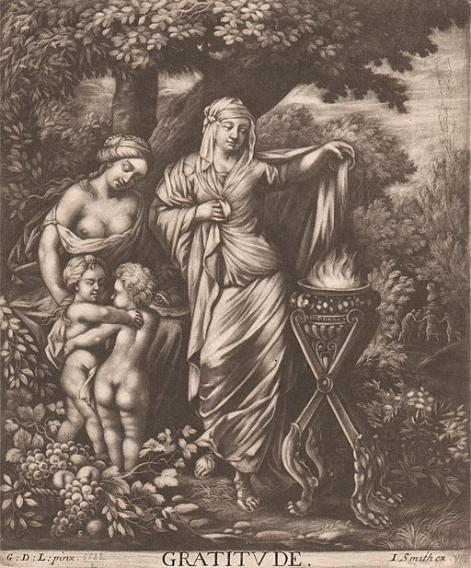
Anonymous, Yale Center for British Art, CC0, via Wikimedia Commons
Gratitude, while seemingly everywhere at times, when absent, can cause an absence of life. An emotion hard to define, gratitude—or appreciation—is an attitude of thankfulness and is not only highly associated with life satisfaction and happiness but is also very connected with a meaningful life. Research shows gratitude is linked to achievement, work fulfillment, and work “callings.” In addition, gratitude is a character strength of transcendence and is a tendency to value people and things, not taking others for granted. Gratitude correlates with the following: positive emotion, life satisfaction, optimism, prosocial behavior, increased cardiovascular and immune system functioning, longevity, lower levels of anxiety and depression, openness to experience, agreeableness, conscientiousness, diligence, and the ability to delay gratification.
In the spirit of this month’s Graduate Student Appreciation Week, where we celebrate the efforts and achievements of graduate students in the community, this collection brings together various disciplines to examine the powerful yet, at times, presumed emotion of appreciation. May this collection inspire you to look inward and outward, reflecting on what makes you grateful and ways to communicate your gratitude. As you explore these works and beyond, consider what it means to be happy and fulfilled. I hope your resiliency and happiness grow.
Following are the books on display currently on the second floor:
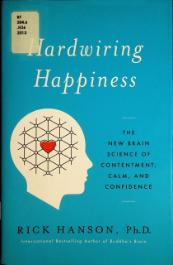
Hardwiring Happiness: The New Brain Science of Contentment, Calm, and Confidence - Learn how to hardwire in happiness with four steps that counterbalance your brain’s negativity bias. Although our brain’s default is pessimism in that it learns faster from bad experiences and slower from good experiences, we can use our daily opportunities to build inner strengths to override this default pattern into calm and contentment.
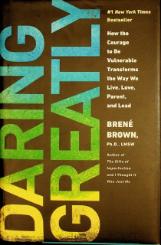
Daring Greatly: How the Courage to be Vulnerable Transforms the Way We Live, Love, Parent, and Lead - Daring Greatly is a book about courage through vulnerability. Vulnerability—being seen—is shown to be both the core of difficult emotions like fear, grief, and disappointment and the birthplace of love, belonging, joy, empathy, innovation, and creativity.
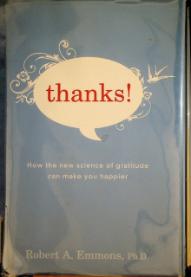
Thanks!: How the New Science of Gratitude Can Make You Happier - In Thanks!, the practice of gratefulness is explored. Grateful thinking can increase the likelihood of happiness and help cope with stress, recover faster from illness, improve relationships, recover faster from relationships, and more. Ingratitude is considered a consequence of grudging resentment from depending on others. As a way of life, gratitude can be cultivated in various ways, as shown by the author.
The Psychology of Gratitude - This volume surveys the historical, philosophical, and theoretical foundations of gratitude, presenting research perspectives from social, personality, and developmental psychology, in addition to research from primatology, anthropology, and biology.
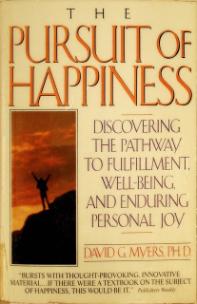
The Pursuit of Happiness: Discovering the Pathway to Fulfillment, Well-being, and Enduring Personal Joy - True joy in living is explored in this work by a social psychologist. Popular myths on the subject are looked at, as well as techniques.
The Gifts of Imperfection: Let Go of Who You Think You're Supposed to Be and Embrace Who You Are - Join the wholehearted revolution through this book’s ten guideposts of effective daily practices to wholehearted living. In one guidepost, gratitude and joy, the author explores things that get in the way of gratitude—scarcity and fear of the dark.
Humble Inquiry: The Gentle Art of Asking Instead of Telling - The gentle art of asking instead of telling builds trusting and open relationships as key to tackling challenges and developing innovative organizations. Here readers learn how humble inquiry differs from other kinds of inquiry, uncovering ways to ask instead of tell, shifting our overall attitude.
The Compassionate Instinct: The Science of Human Goodness - This book reflects on the life-changing, perspective-changing, new science of human goodness, containing the best of cutting-edge research and inspiring stories of compassion writings from Greater Good magazine from the Greater Good Science Center, based at the University of California, Berkeley.
Guilt and Gratitude: A Study of the Origins of Contemporary Conscience - Looking at conscience, guilt, and gratitude, this philosophical book studies the progress of guilt, humanity, and national conscience.
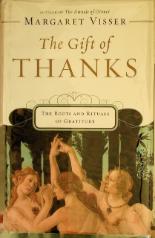
The Gift of Thanks: The Roots and Rituals of Gratitude - The author, known as an ‘anthropologist of everyday life, looks at “thank you”—what do we really mean with these two simple words?
The Little Prince - Two worlds intersect when the narrator, having abandoned his plane in the Sahara desert, and the little prince, having landed from a tiny asteroid, meet.
The 5 Languages of Appreciation in the Workplace: Empowering Organizations by Encouraging People - Organizations are empowered when staff morale is built, positive workplaces are improving, and employee engagement is increased. This book discusses effectively communicating authentic appreciation and encouragement to employees, co-workers, and leaders to build such an environment.
The Teaching of Values: Caring and Appreciation - In this book, schools are examined for the instruction of values and how they can best train their students to enjoy and help others enjoy a values-rich life. Illustrations include how certain values are related to each other and a demonstration of how values may be taught.
The Hidden Leader: Leadership Lessons on the Potential Within - The Hidden Leader shows readers how to access the power of a personal vision and form it into dynamic leadership to energize yourself, others, and organizations. The power of gratitude is observed, and brief cases are included.
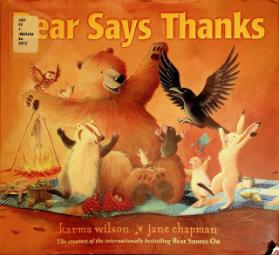
Bear Says Thanks - Bear decides to have a big dinner with all his friends to say thanks. When his friends show up one by one with different platters of delicious food to share, there develops a problem—Bear’s cupboards are bare! What should he do?
Gracias - A young biracial Mexican/Caucasian boy, in a series of poetic sentences, shares his everyday things for which he is thankful.