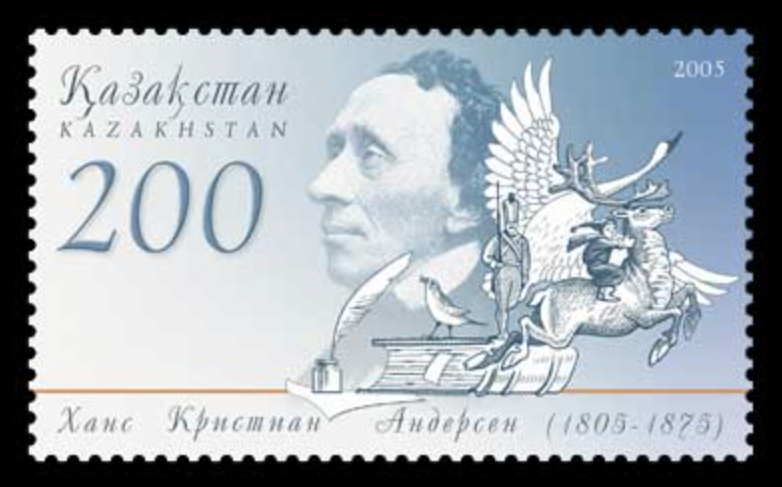
Today In History: Remembering Hans Christian Andersen
Hans Christian Andersen was born on April 2nd, 1805 in a poor and rough part of Odense, Denmark, to Ane-Marie Anderstatter, wife of Hans Andersen.

Institutional-Community Partnerships: Paving the Way for Urban Art Learners in the 1960s and 1970s
A Student Paper
Written by Mary C. McIlvain for the mid-term paper of Dr. Ami Kantawala's class, A & HA 4085: Histories of Art Education, Institutional-Community Partnerships: Paving the Way for Urban Art Learners in the 1960s and 1970s explores the effectiveness of partnerships between community and institutional organizations to augment the substantial gaps of art education in underserved communities in the 1970's in New York City.
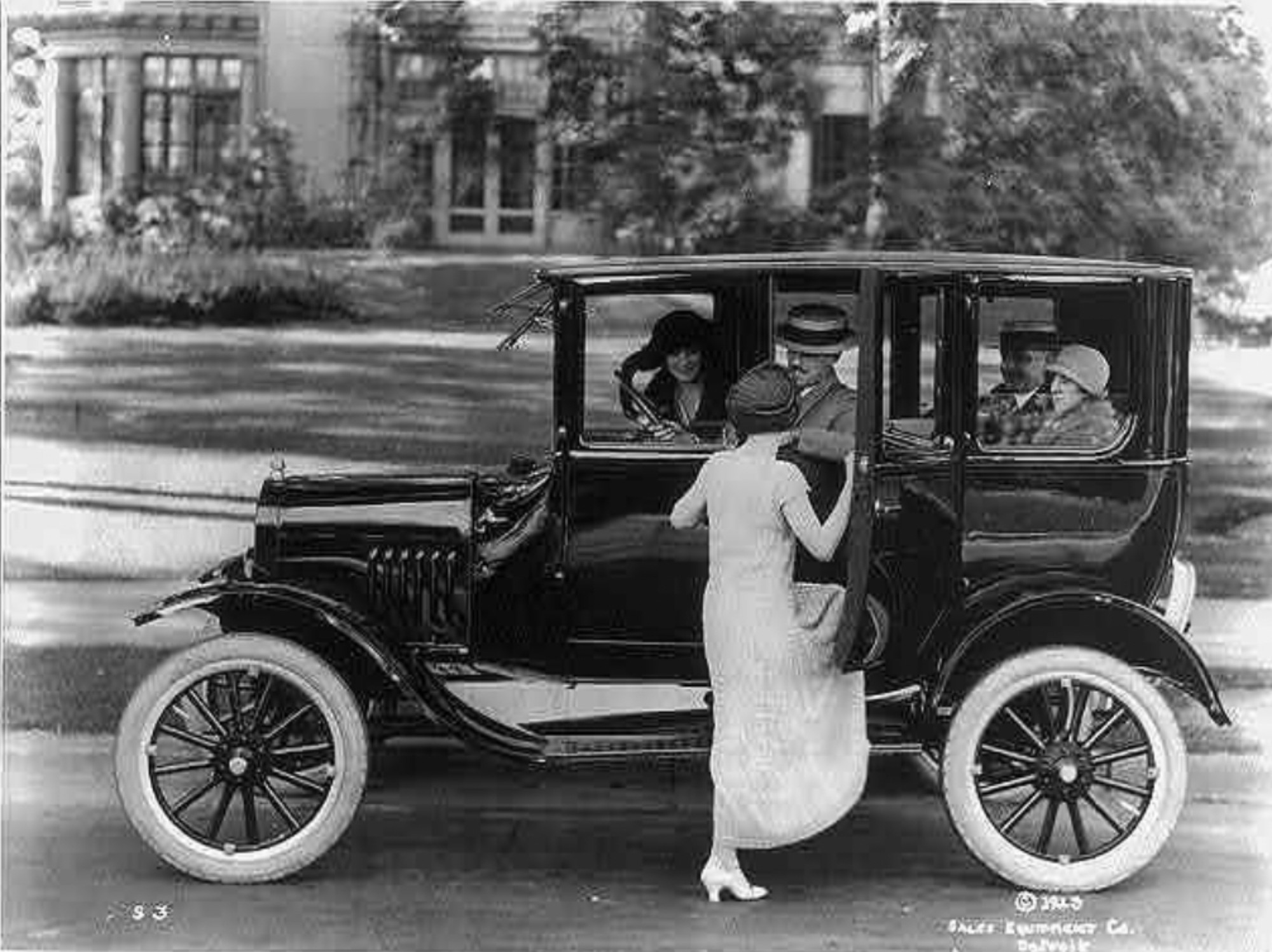
Today In History: F. Scott Fitzgerald Publishes The Great Gatsby
Poetically written by F. Scott Fitzgerald and set on Long Island, near New York City during the Roaring Twenties, The Great Gatsby is one the most beloved works of American literature -- and one of most read novels in American high schools.

Award Winning Children's Literature: Part One
Part One, By Author, A-M
The Gottesman Libraries participates in an automated plan to receive the best and latest children's books, fully cataloged and physically processed, every Spring as part of our commitment to build collections in areas of strength and relevance.

Award Winning Children's Literature: Part Two
Part Two, By Author, N-Z
Here is Part Two of the 2024-2025 award winning and notable children's books acquired this Spring on standing order through automated approval.
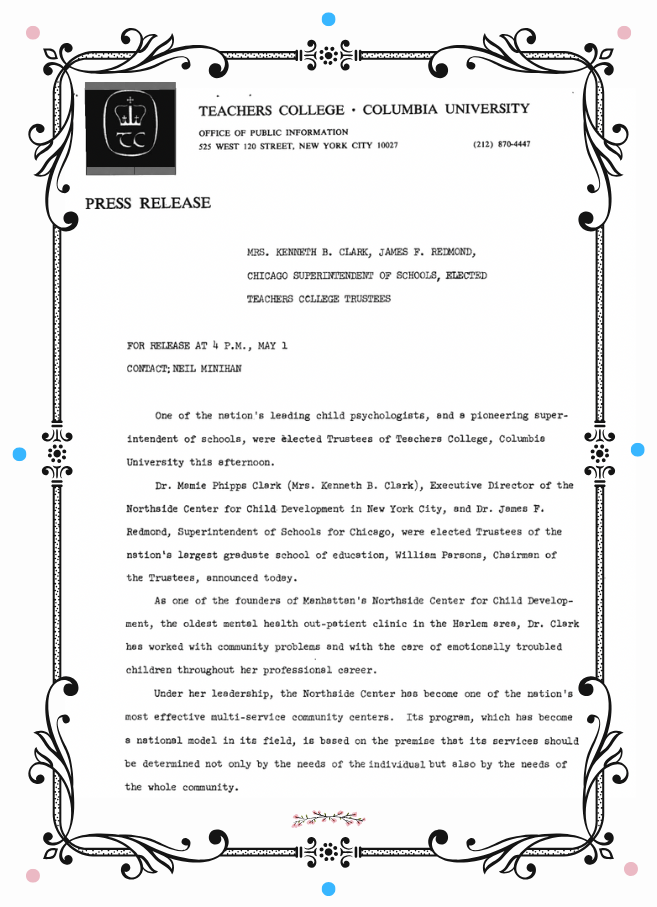
Today In History: Remembering Mamie Phipps Clark
Eminent social psychologist, activist, and Teachers College alumna Mamie Phipps Clark was born April 18th, 1917 in Hot Springs, Arkansas to Harold H. Phipps, a physician and resort manager, and Katy Florence Phipps, a homemaker.
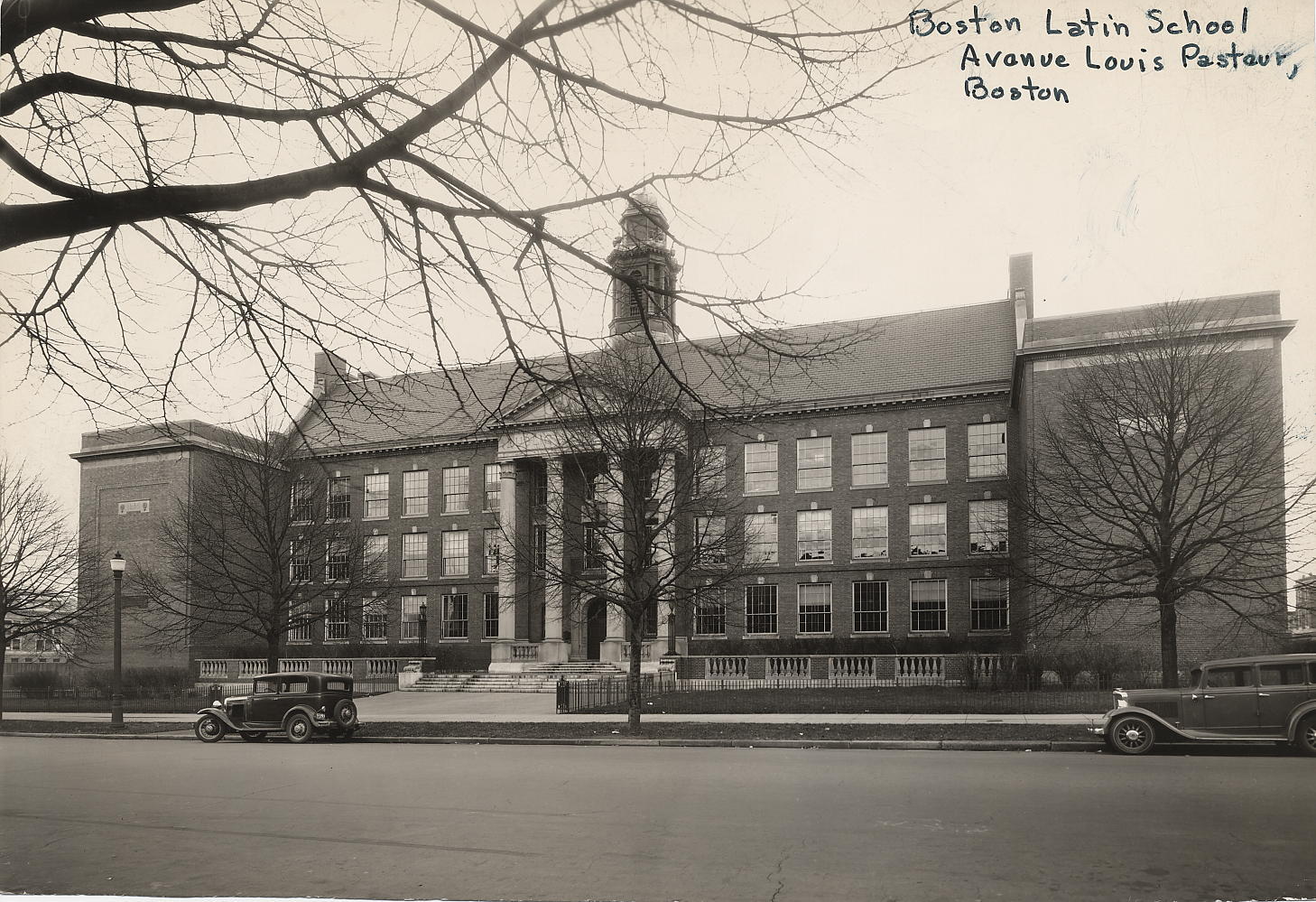
Today In History: Boston Latin School Is Founded
Founded on April 23rd, 1635, Boston Latin School is the oldest public school in America, established with funding from the town of Boston.
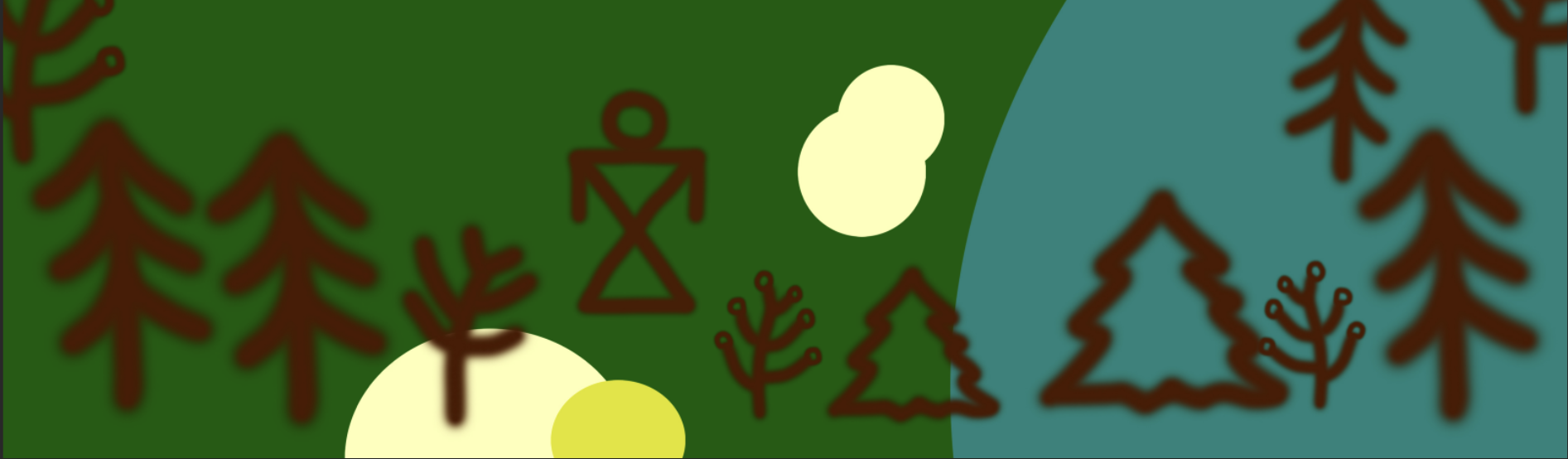
Indigenous Ways of Knowing
Indigenous Ways of Knowing examines the interconnections of all living things ― humans, animals, plants, nature ― as well as the critical consideration of multiple approaches to education, research, and sustainability. Moving behind "colonial" paradigms ― perhaps described as qualitative, quantitative, or increasingly data-driven ― we turn to alternative methodologies and more holistic ways of thinking ― teachings of the natural world; application of oral tradition; art of storytelling; embodied traditions; and the value of ethnography.

Melting Ice, Rising Water
As a result of the Industrial Revolution, carbon dioxide, and other greenhouse gas emissions produced by industry, transport, deforestation, and burning fossil fuels, the Earth's temperatures are rising. With overheating of the planet's surface, ice is melting; glaciers, shrinking; and sea levels, rising. As ocean currents slow down, extreme weather events, including ooding, speed up. While global e orts are underway to reduce CO2 emissions, climate change is becoming more and more concerning, particularly when short-term political and economic interests override longer term care and preservation of the planet.

Digital Preservation in Action
How Web Archives Save Vanishing Government Information
What happens when a website that you have been relying on as a source is taken down? For scholars that use government data, resources, and information, this is a serious problem for research and academic integrity. Thankfully, information workers have been working to archive the internet.